Gutter Repair Checklist Before Selling Your Home


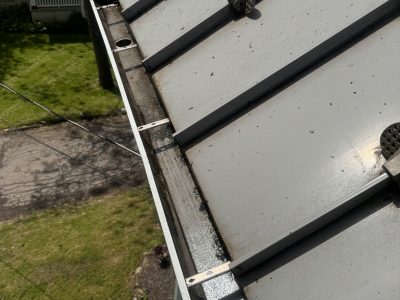
Selling a house has a way of sharpening attention on details that have been easy to ignore for years. A sticky back door suddenly matters. Hairline cracks in caulk feel more important than they did last spring. Gutters often fall into that same category, except they carry more weight than many sellers realize. Buyers may not know the exact pitch a gutter should have or the ideal downspout spacing, but they understand what overflowing water, peeling fascia, and stained siding suggest. Deferred maintenance travels fast in a buyer’s mind.
I have seen this happen repeatedly during pre-sale preparation. A homeowner spends time painting the front room, replacing cabinet pulls, and staging the patio, only to have an inspector flag loose hangers, active leaks at a corner seam, and downspouts dumping water at the foundation. None of those issues are glamorous, yet they shape the story the house tells. A clean, functional gutter system says the exterior has been cared for. A failing one raises concerns about roof edges, rot, drainage, and basement moisture.
That is why gutter repair deserves its own pass before the listing goes live. Not because every buyer will climb a ladder and inspect the system, but because small defects can snowball into larger questions during showings, inspections, and negotiations.
Why gutters matter more during a sale
Gutters sit at the intersection of maintenance and risk. They are simple in concept, but when they stop doing their job, damage spreads to places buyers notice quickly. Water spilling over an edge can stripe siding, soften trim, erode mulch beds, and leave dark splash marks near the foundation. If that water has been falling in the same place for months or years, it can also affect grading, invite mold around soffits, or contribute to moisture in a crawl space or basement.
From a buyer’s perspective, gutters are not just gutters. They are evidence. If the visible drainage system is bent, clogged, or hanging loose, the natural assumption is that less visible components may also have been neglected. That assumption can cost more than the repair itself. A buyer may ask for a credit, request additional inspections, or simply lower their offer to create a cushion for unknowns.
The good news is that many gutter issues are fixable without major expense if caught in time. A modest investment in gutter repair before listing often protects curb appeal, avoids inspection friction, and keeps the transaction moving.
Start with the view from the ground
Before anyone grabs a ladder, begin where buyers begin, at the curb and along the walkway. Stand back and look at the roofline from multiple angles. Gutters should read as straight and orderly. If one section bows in the middle, dips at a corner, or pulls away from the fascia, it usually means there is either too much weight from debris and trapped water, failed fasteners, or wood behind the gutter that has started to deteriorate.
Then walk the perimeter slowly. Look for streaking on siding, soil trenches below roof edges, crushed landscaping, and puddling near downspout outlets. These are practical clues. Even if the gutters themselves seem intact, the drainage pattern may still be wrong. I once walked a property where the gutters were freshly cleaned and looked respectable from the front. The problem was at grade. Two downspouts ended less than a foot from the foundation, and the soil underneath had hardened into a shallow basin. The buyers noticed the staining on the brick and immediately asked about water in the basement. That concern could have been avoided with simple extensions and a bit of grading touch-up.
This ground-level pass also helps identify whether you are dealing with cosmetic issues, functional issues, or both. Cosmetic flaws matter for showings. Functional flaws matter for inspections. When both appear together, they can make a routine maintenance item look like a systemic problem.
The pre-sale gutter repair checklist
Use this short checklist to decide what needs attention before the sign goes in the yard.
- Check for sagging, separation from the fascia, or visible misalignment along the roofline.
- Look for leaks at seams, end caps, corners, and around downspout connections.
- Clear debris and test water flow to confirm proper pitch and drainage.
- Confirm downspouts carry water several feet away from the foundation.
- Inspect fascia, soffits, siding, and soil below for signs of water damage.
That list looks simple on paper, but each item can uncover issues worth addressing before buyers or inspectors do.
Sagging sections and loose attachment points
Sagging is one of the most common problems sellers overlook. It often starts gradually. A hanger loosens, leaves collect, standing water adds weight, and the line of the gutter starts to droop. From the ground, one low section may not seem serious. During rain, though, that low spot becomes a reservoir. Water sits instead of moving, seams strain, and overflow begins.
For a sale, visible sagging should not be left alone. Even if the gutter still catches most runoff, buyers read the defect as neglect. Repair may be as straightforward as re-securing the section with new hidden hangers and correcting the pitch. If the metal has twisted or the fascia behind it is soft, the fix gets deeper. In that case, the right move is still usually repair before listing, because a soft fascia board can trigger broader questions about roof edge rot.
A decent contractor will tell you whether a section can be reset or whether replacement is the better value. On older homes with patchwork repairs, replacing one failing run can be cleaner and less conspicuous than trying to make several old components cooperate.
Leaks at seams, corners, and end caps
Small gutter leaks have a habit of looking minor in dry weather and dramatic during a storm. The usual trouble spots are inside and outside corners, seams between joined sections, and end caps. You may also see drips at the outlet where the gutter feeds into the downspout.
For a homeowner planning to stay put, a tiny drip may seem like something to revisit later. For a seller, it is worth repairing now. Water escaping at a seam usually lands in concentrated spots, creating stains and decay directly below. That is exactly the kind of evidence that catches a buyer’s eye and an inspector’s flashlight.
Sealants can work when the joint itself is still sound and the surfaces are prepared properly. When the seam has separated, fasteners have failed, or corrosion is visible, a more durable repair is often necessary. This is where judgment matters. A tube of sealant applied over dirt and oxidation may survive one rainstorm and fail during the next showing weekend. Pre-sale repairs should be made to last through inspection and through handoff to the buyer, not just to survive for seven days.
Clogs, overflow, and the hidden story they tell
Clogged gutters are not only a housekeeping issue. They can indicate neglect over multiple seasons, especially if seedlings are growing in the troughs or if granules from aging shingles have accumulated heavily. During a sale, that visual matters. It suggests maintenance has lagged.
Cleaning is the starting point, but it should not be the end of the conversation. Once debris is removed, the system needs to be tested with water. A hose run through each section can reveal whether flow is smooth or whether water stalls in low spots. It can also expose leaks that were hidden by compacted debris.
If guards are installed, they deserve scrutiny too. Poorly fitted covers can create their own problems by allowing fine debris in while making cleaning harder. Some buyers view gutter guards as a benefit. Others see them as one more thing that may need adjustment. What matters is that they function. A damaged or poorly secured guard can make the system look improvised.
Downspouts are where many deals get nicked
People focus on the horizontal runs because they are more visible, but downspouts often create the real drainage problem. A perfectly clean gutter system does little good if water is emptied at the base of the house.
Ideally, downspouts discharge far enough away that water does not pool at the foundation. How far is enough depends on slope, soil type, and lot layout, but several feet is typically the minimum goal. In flatter yards or heavy clay soils, more distance may be necessary. Extensions are inexpensive and often worth every dollar before listing. They are not elegant, but they show that runoff has somewhere to go other than into the crawl space.
I have seen buyers become wary over details this small. One property had no obvious foundation issues, but every downspout ended in mulch against the brick. The grade was nearly flat. The inspector noted it, the buyer requested a drainage evaluation, and a simple correction turned into a week of delay and fresh anxiety. That could have been avoided with basic gutter repair and proper extensions before the first showing.
If buried drain lines are present, verify they are actually carrying water. A disconnected or clogged underground leader can create backup while giving the appearance of a finished solution. During your pre-sale check, run water and confirm it exits where it should.
Fascia and soffits can reveal old gutter failures
Gutters rarely fail in isolation. When water overflows or sits too long, adjacent materials begin to show it. Wood fascia may blister, soften, or peel. Aluminum fascia wrap may ripple. Soffits may stain or show mold spotting near corners. These are not always major repairs, but they deserve attention because they are visible proof that water has not been managed properly.
If paint is failing only in a small area directly below a leaking joint, fix the gutter first, then repair and repaint the damaged trim. Painting over active water damage without solving the source is a short-lived cosmetic patch, and inspectors are good at spotting that sequence.
This is also a place where honesty with yourself matters. If probing the fascia reveals rot, handle it correctly. Replacing a localized board section and rehanging the gutter properly is far better than hoping no one notices until after closing. Buyers can accept a repaired issue more easily than a discovered issue.
When repair is enough, and when replacement makes more sense
Not every house needs new gutters before sale. In many cases, targeted Gutter Repair is the smart financial move. One leaky seam, a handful of loose hangers, a dented downspout, and a clogged run do not justify full replacement if the system is otherwise solid.
Replacement starts making sense when the metal is extensively corroded, multiple sections are badly mispitched, seams have repeatedly failed, or the overall appearance drags down curb appeal. The same applies when the gutters are undersized for the roof area and routinely overflow in normal rain. A buyer may not calculate roof drainage capacity, but they will notice if the front entry gets drenched every time it rains.
There is also a strategic angle. If the home is positioned at the higher end of its market, tired gutters can look out of step with the asking price. Fresh, correctly installed gutters may support the presentation. On a more modest sale, spot repairs may be the better return. The right answer depends on the condition of the system and the expectations of buyers in your area.
Repairs buyers and inspectors notice right away
Some gutter issues trigger immediate reactions because they are easy to see and easy to understand.
- Water stains on siding or brick below gutter lines
- Downspouts discharging at the foundation
- Loose or missing fasteners and visibly detached sections
- Rot or peeling paint on fascia and soffits
- Overflow marks in mulch beds or erosion trenches below eaves
These are worth fixing first because they influence perception before anyone reads a disclosure or inspection report.
The value of documentation
When you make repairs, keep the invoice and any brief notes about what was corrected. If a contractor replaced damaged fascia, reset pitch, sealed seams, and extended downspouts, having that documented can help during negotiation. It is not about dressing up the file with paperwork. It is about showing buyers that the issue was identified and addressed with intention.
This can be especially useful if there had been prior staining or if an older inspection once mentioned drainage. A seller who can say, accurately, that the gutter system was serviced and adjusted before listing tends to create more confidence than a seller who shrugs and says the gutters were probably cleaned at some point.
Timing matters more than most sellers expect
Do not leave gutter work for the week photographs are scheduled. Exterior repairs have a way of uncovering small companion tasks. A contractor may find a rotted fascia section behind a loose run. Cleaning may reveal a seam leak that was hidden by debris. A downspout extension may need a little grading work to avoid dumping into a walkway.
Try to address gutters a few weeks before listing if possible. That gives time for repairs, cleanup, and touch-up painting if needed. It also gives you the chance to observe the system in one rain event before buyers arrive. Few tests are better than actual weather. A house that sheds water cleanly during a storm shows well afterward too. Walkways stay cleaner, mulch stays put, and there are fewer muddy impressions at the front door.
DIY versus hiring a pro
Some sellers are comfortable cleaning gutters and attaching a simple extension. That can be reasonable if the home is one story, access is safe, and the issue is straightforward. But pre-sale work has a different standard from routine tinkering. The repair needs to be safe, durable, and presentable.
If ladders, roof edges, or second-story sections are involved, hiring a professional is often the better choice. The cost is usually modest compared with the value of avoiding a visible shortcut or a failed repair during escrow. Professionals can also spot issues homeowners miss, such as inadequate pitch, hidden fascia deterioration, or missing drip edge details that cause water to run behind the gutter.
There is another practical point here. Buyers and inspectors respond differently when a repair looks clean and intentional. Crooked extensions, mismatched patches, and globs of sealant can solve one problem while creating another, namely the impression that the house has been maintained reactively.
What a clean gutter line does for the sale
A well-maintained gutter system rarely becomes the reason a house sells, but it often helps prevent the reasons a deal gets discounted. It supports the broader message every seller wants to send, that the property has been cared for and that water, the most persistent enemy of homes, has been managed responsibly.
That message carries weight because buyers know what water can do. They may forgive dated tile or older fixtures. They are less comfortable gambling https://landenlbhs714.brightpathdigest.com/posts/understanding-the-most-common-gutter-repair-services on moisture. When gutters are straight, secure, clean, and draining properly away from the house, one whole category of concern falls off the table.
If you are deciding where to spend pre-sale dollars, gutter repair belongs higher on the list than many purely cosmetic upgrades. It protects appearance, reduces inspection comments, and prevents small defects from casting a long shadow over the rest of the property. For something mounted at the roofline, it has an outsized effect on what buyers think at ground level.
Just Gutters LLC
262 Main St
Hackettstown, NJ 07840, United States
Phone: +1 201-331-9454
FAQ About Gutter Repair
Is it cheaper to repair or replace gutters?
Repair can cost less when damage is limited and the remaining system is sound. Replacement may offer better value when leaks, corrosion, or repeated failures affect several sections. An inspection and written estimate can help compare the options.
Can damaged gutters be repaired?
Many localized problems, including leaking joints, loose brackets, sagging sections, and damaged downspout connections, can be repaired. The best approach depends on the material, extent of damage, and condition of the mounting surface.
Can I repair gutters myself?
Simple ground-level checks may help identify a problem, but roof-edge work carries fall risks and may require specialized tools. Professional assessment is advisable for high gutters, loose sections, hidden wood damage, or uncertain drainage problems.