What Causes Gutter Failure and When to Schedule Installation in Hackettstown
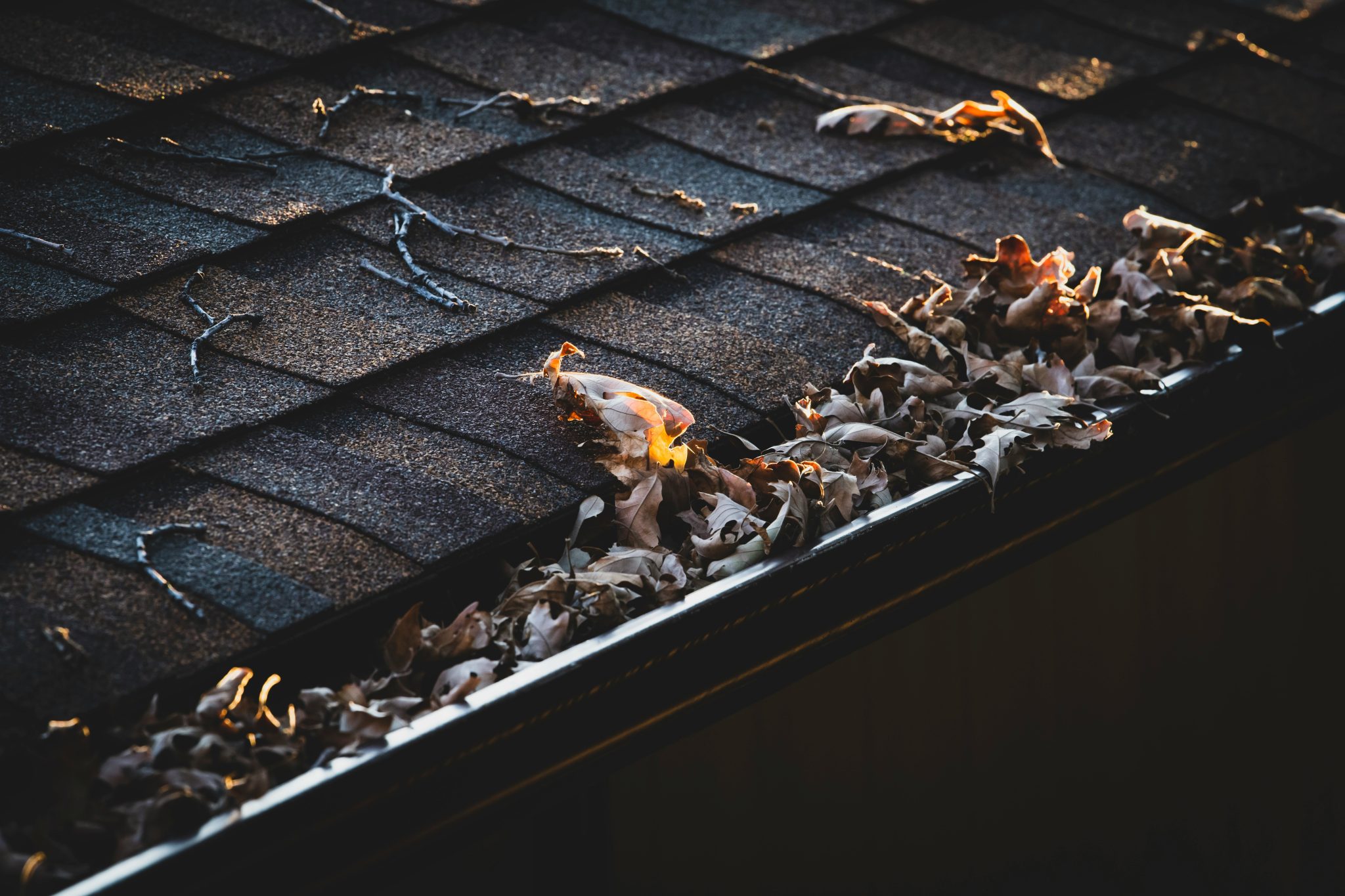
Gutters do not get much attention until something goes wrong. A homeowner may notice a wet basement corner after a hard storm, peeling paint under the roofline, or a strip of mulch washed out of a flower bed. By then, the gutter system has usually been struggling for a while. It may be pulling away from the fascia, clogging at the downspouts, or simply failing to handle the volume of water coming off the roof.
In a place like Hackettstown, that slow decline matters. Homes in Warren County deal with a little of everything, summer downpours, heavy leaf fall, winter freeze-thaw cycles, and the occasional snow load that tests every exterior component. Gutters sit right at the intersection of those stresses. When they fail, the damage is rarely limited to the metal trough itself. Water starts affecting trim, soffits, siding, landscaping, walkways, and foundations.
Homeowners often ask two practical questions. What actually causes gutters to fail, and when is the right time to schedule a replacement or new system? Both deserve a careful answer, because timing and cause are closely connected. A gutter that could have been repaired in early spring may become a full replacement by late fall. A home addition that looks finished can still be vulnerable if proper drainage was treated as an afterthought.
Gutter failure usually begins with water mismanagement
At its core, a gutter system has one job: collect roof runoff and move it away from the house in a controlled path. When that path is interrupted, water starts looking for its own route. It spills over edges, seeps behind the gutter, pools near the foundation, or freezes where it should not.
Many failures start small. A little standing water in a low section does not look dramatic. Neither does one loose spike or a seam that drips only during strong rain. The trouble is that water is persistent. If it finds a weak point, it widens it. If a gutter holds even a few extra pounds of debris and trapped water week after week, the hardware slowly loosens. Once the pitch changes, more water remains in the channel, and the problem accelerates.
I have seen houses where the owner thought the issue was a roof leak, only to find the gutter had been overflowing behind the fascia for months. The sheathing at the eave was soft, the paint was bubbling, and carpenter ants had found the damp wood. The gutter was the first failure, but not the last.
The most common causes of gutter failure in Hackettstown
Climate and tree cover shape most gutter problems in Hackettstown. Older neighborhoods often have mature trees, and many properties sit where leaves, twigs, pollen, and seed pods collect quickly. Add storm cycles and winter temperature swings, and the wear pattern becomes predictable.
Clogs and chronic overflow
This is the one nearly everyone recognizes, but it is worth looking at more closely. A clog does not need to block the entire trough to cause trouble. Partial blockages are often worse because they let some water through while forcing the rest over the front or back edge. Homeowners then assume the system is still functioning because they see flow at the downspout. Meanwhile, water is escaping upstream.
In Hackettstown, fall leaf drop can overwhelm an undersized or poorly maintained system fast. Maple leaves mat together. Oak leaves decompose into a heavy sludge. Pine needles collect at outlets and create dense plugs that are harder to flush than broad leaves. Once debris holds moisture, the gutter stays wet for long periods, which speeds corrosion in some materials and adds weight to hangers and fascia.
Overflow leaves clues. You may see dark streaks on the gutter face, soil splash against siding, or erosion channels beneath roof edges. If one corner of the house always seems muddier after rain, the gutter above it is often part of the story.
Improper pitch and poor layout
A gutter can look straight from the ground and still be installed wrong. If the pitch is too flat, water sits in the channel instead of moving efficiently toward the downspout. If the pitch is too steep, water can rush too quickly, overshoot at turns, or reveal an obviously slanted line that looks bad and performs unevenly.
Downspout placement matters just as much. Long runs with too few outlets often fail during intense rain. Water backs up, spills over the edge, and behaves like the gutter is clogged even when it is not. Roof valleys create another challenge. During a heavy storm, a valley can dump a surprising volume of water into one section. If that section is undersized or poorly supported, it may overflow every time.
This is one reason professional Gutter Installation is not just about fastening metal to fascia boards. Good installers read the roof. They look at valleys, dormers, lower roofs, splash zones, and where runoff should discharge once it reaches grade. A system that is merely attached is not the same as a system that is designed.
Fastener failure and fascia damage
Older systems often rely on spikes and ferrules, while newer systems commonly use hidden hangers with screws. Either can fail if the wood behind them is compromised. Fascia boards take a beating when gutters overflow backward or stay packed with wet debris. The metal hardware may be perfectly sound, but if the wood becomes soft, the gutter begins to loosen and pull away.
Once a gap opens between the gutter and fascia, runoff can slip behind the system. That leads to rot, staining, and in colder weather, ice buildup in places it should never be. By the time a homeowner notices the gutter sagging from the driveway, the fastening issue has usually been developing for a long time.
There is also a snow factor in Hackettstown. Gutters are not meant to carry the full weight of sliding snow or thick ice. When roof snow shifts, it can bend the front lip, twist hangers, or rack the entire run out of alignment. The damage is often subtle at first. A front edge may look slightly waved. A seam may begin leaking in spring. Those are signs the system absorbed more force than it was designed to handle.
Material aging and corrosion
Not every gutter failure comes from neglect. Materials age. Sealants dry out. Expansion and contraction work on seams and corners. Paint finishes chalk and wear. Aluminum, galvanized steel, and copper all behave differently over time, but none are immune to the effects of weather.
Galvanized steel can rust after protective coatings break down. Aluminum will not rust in the same way, but it can corrode, pit, dent, or fatigue at stressed points. Seamed systems are especially vulnerable because every joint is a maintenance point. A tiny seam leak is easy to ignore until it stains the fascia or saturates soil below.
When homeowners ask whether a gutter can be patched again, the real question is often whether the surrounding material is still strong enough to justify the repair. If one seam leaks on an otherwise healthy system, repair makes sense. If several sections are brittle, mispitched, and loose, patching becomes a way to postpone the inevitable at the cost of more water exposure.
Undersized gutters for the roof area
This issue shows up more often than people expect. A home may have had a previous gutter system that was simply too small for the roof area, especially if additions were built, roofing materials changed, or local storm intensity exposed an old limitation. During average rain, the system seems fine. During one hard summer storm, water cascades over the edge like a waterfall.
This is where experience matters. Sizing is not guesswork. Roof square footage, roof pitch, valley concentration, and downspout count all influence capacity. In some cases, moving from a smaller profile to a larger one, or adding an extra downspout in a strategic spot, solves years of recurring overflow.
For homeowners researching Gutter Installation Hackettstown services, this is worth discussing in detail during estimates. A https://josuetose221.hexaforgey.com/posts/what-makes-gutter-installation-hackettstown-services-worth-the-cost contractor who only measures the roof edge and offers a price may miss the hydraulic side of the job. A better evaluation includes where the water comes from and where it goes next.
Warning signs that mean failure is already underway
Gutter systems usually give several warnings before total failure. The challenge is that most of them are easy to dismiss. A little drip can seem harmless. A bit of peeling paint may get blamed on age. A basement moisture issue may look unrelated.
These are the signs I take seriously:
- water marks or dirt stripes on the gutter exterior or siding below
- visible sagging, separation from the fascia, or bent front edges
- pooled water in the gutter more than a day after rainfall
- mulch washout, trenching in planting beds, or muddy splash near the foundation
- paint failure, wood softness, or mildew around soffits and fascia
None of these automatically means full replacement, but together they tell a clear story. The gutter is no longer controlling runoff the way it should.
Why timing matters more than many homeowners think
A failed gutter in dry weather is easy to postpone. The urgency becomes obvious only when the next storm arrives. That is why the best time to schedule new gutters is usually before symptoms become severe and before the busiest weather season exposes every weakness at once.
Timing also affects workmanship. Contractors can generally work more efficiently in stable weather. Fascia repairs, pitch adjustments, and clean installation are easier when crews are not racing around thunderstorm forecasts or dealing with frozen materials and slick surfaces.
For homeowners in Hackettstown, the ideal season depends on the condition of the current system, the roof schedule, and the property surroundings.
The best seasons for Gutter Installation in Hackettstown
Spring and fall are the two seasons most homeowners consider first, but they serve different needs.
Spring is excellent for diagnosis. Winter reveals weaknesses. Snow load, ice, and freeze-thaw movement tend to expose loose hangers, leaking seams, and sections that have shifted out of pitch. Early to mid-spring is often the moment when homeowners notice overflow during rain and realize the problem is no longer cosmetic. Installing then gives the house protection before heavy summer thunderstorms arrive.
Fall is the season many homeowners prefer for replacement, and for understandable reasons. If the system is installed before the heaviest leaf drop, it can help manage the debris season more effectively. It also prepares the house for winter runoff and occasional melt events. The downside is scheduling pressure. Fall tends to be busy for exterior contractors, especially once homeowners realize winter is approaching.
Summer can work very well, especially for planned projects rather than emergencies. Dry days and predictable conditions help installations move smoothly. Summer is also a smart time if the home is getting a new roof, fascia repairs, or exterior painting. Coordinating those trades often saves money and prevents rework.
Winter is usually the least desirable time unless the existing gutter system has already failed badly. Cold weather can slow sealant curing, snow and ice create safety issues, and diagnosis becomes harder when debris is frozen in place. Emergency replacements still happen, but winter is rarely the best first choice for routine work.
When replacement makes more sense than repair
Some gutter systems absolutely deserve repair. A single loose hanger, one separated joint, or a local drainage problem near a downspout extension can often be corrected without replacing the entire system.
The decision changes when failures begin stacking on top of each other. If the fascia is deteriorated, the runs are holding water, the seams are opening, and the downspout layout is wrong, repair costs start chasing a moving target. One fix exposes the next weak point. At that stage, replacement is usually the more economical choice over the next several years.
I usually encourage homeowners to think in terms of water risk, not just line-item repair cost. Saving a few hundred dollars on another patch is not much of a savings if overflow contributes to foundation moisture, siding damage, or wood rot at the eaves. Water damage rarely stays isolated.
A fresh system also allows better design choices. Seamless gutters reduce leak points. Improved hanger spacing gives stronger support. Proper downspout placement can redirect runoff away from walkways and basement-prone corners. On some homes, adding leaf protection is worthwhile. On others, especially where roof valleys drop shingle grit and small debris, guards help only if they are selected carefully and maintained realistically.
Local factors in Hackettstown that affect scheduling
Hackettstown has a mix of housing styles, lot conditions, and tree exposure, which means no single installation calendar fits every home. A house in a heavily wooded section may need earlier fall scheduling than an open-lot property. A home with a history of basement seepage should not wait for another wet season if the gutters are clearly contributing.
Topography matters too. If a house sits on a slope, concentrated roof runoff can cut channels quickly and dump water directly toward lower foundation walls. Clay-heavy soils can also complicate drainage because water infiltrates more slowly than homeowners expect. In those settings, gutter performance has a direct effect on the site around the house, not just the trim under the eaves.
Older homes in Hackettstown deserve special attention. Fascia dimensions may be irregular. Roof edges may not be perfectly uniform. Previous repairs can hide soft wood or improvised fastening methods. A careful installer will inspect the substrate before hanging new gutters, because a straight, secure attachment depends on sound backing.
What to ask before scheduling a new system
The quality of the installation matters as much as the material. Homeowners comparing estimates often focus on gauge, color, or linear-foot price. Those are relevant, but they are not the whole picture. Better questions get better results.
Here are a few that reveal whether the installer is thinking beyond the basic sale:
- how will the gutter size and downspout layout match this roof’s water volume
- are there any fascia or soffit issues that need repair before installation
- where will downspouts discharge, and will extensions or underground drains be needed
- are there roof valleys or trouble spots that need added capacity or reinforcement
- what maintenance should be expected with this setup in a tree-heavy area
A contractor who answers these clearly is usually looking at performance, not just appearance. That matters over time.
Small delays can turn into expensive damage
One pattern shows up again and again. A homeowner notices a problem at the start of one season, puts it off because the gutter still seems mostly functional, and then calls after the next major weather swing. By then, the fix is broader. The fascia has softened. The landscape has washed out. A basement wall has taken on moisture. The cost increase is not because gutters are suddenly more complex. It is because water was given time to work.
That is especially true after repeated freeze-thaw cycles. Water trapped in a gutter expands when it freezes, stressing seams, corners, and brackets. The next thaw sends water through the newly widened weakness. Spring then reveals stains, rot, and separation that were not visible during winter.
The same thing happens in summer thunderstorm season. A modest overflow problem becomes much more serious when one storm drops a large amount of rain in a short period. The system does not fail politely. It spills all at once, often at the worst location.
A practical rule for homeowners in Hackettstown
If your gutters are more than occasionally troublesome, if they overflow in ordinary rain, or if you can see sagging and separation from the ground, it is time to schedule an inspection soon rather than later. If the system is older and several issues appear at once, replacement is often the smarter move.
For planned projects, late spring through early fall is the broad sweet spot for Gutter Installation Hackettstown work, with spring especially useful after winter damage and early fall ideal before leaves and cold weather take over. If your roof is being replaced, that is also one of the best times to install new gutters, because the roof edge and drainage plan can be addressed together.
Gutters are not glamorous, but they are one of the house’s most important control systems for water. When they fail, the consequences spread outward and downward, from the roofline to the soil around the foundation. In Hackettstown, where weather patterns demand year-round resilience, good timing and good installation are not luxuries. They are basic protection for the home.
Just Gutters LLC
Address: 262 Main St, Hackettstown, NJ 07840
Phone number: +12013319454
FAQ About Gutter Installation Hackettstown
Can I install a gutter myself?
Yes, you can install gutters yourself. DIYers typically use aluminum or vinyl sections from home improvement stores. The project requires basic tools, precise measuring, and comfort working on ladders. Key steps include snapping a chalk line for a slight slope (1/4 inch per 10 feet toward downspouts), securing hangers every 2 feet, and caulking all joints securely.
How much does body contouring usually cost?
The Home Depot typically charges between $1,000 and $3,600 for a standard professional gutter installation on a typical single-family home with 200 linear feet of gutters. Calculated on a per-foot basis, the cost usually ranges from $5 to $18 per linear foot, highly dependent on the material you select.
How much does a 40 ft seamless gutter cost?
A 40 ft seamless gutter run will cost between $240 and $1,120+ fully installed, depending on the material you choose. Because seamless gutters require specialized on-site fabrication machines, they are rarely sold as DIY kits and are priced per linear foot.